
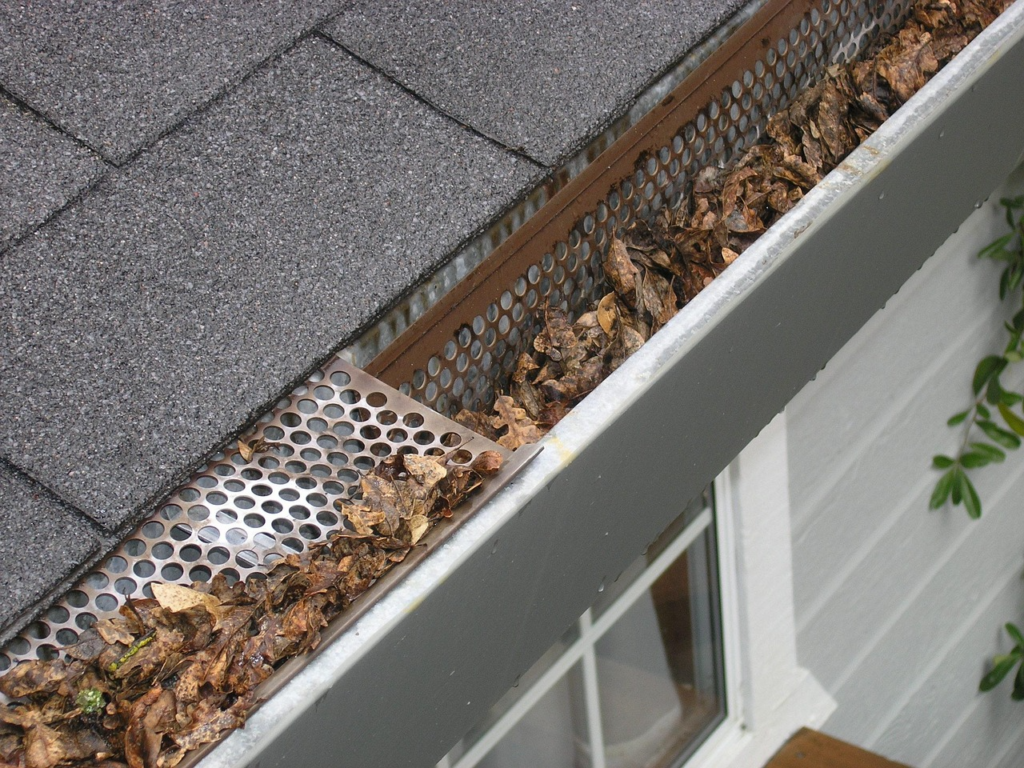
Sourced from Pixabay – https://pixabay.com/photos/gutter-guard-ipswich-2434467/
Sooner or later, every homeowner has the same thought while standing on a ladder with a fistful of wet leaves: there has to be a better way. That’s the pitch behind gutter guards, and it’s a good one. Stop climbing up there twice a year, stop the clogs, stop the overflow. But walk into this decision cold and you’ll find a dozen products, wildly different prices, and a lot of salespeople swearing theirs is the only one that works.
So let’s cut through it. Here’s an honest look at what actually separates a good gutter guard from a gimmick, the main types you’ll run into, what they cost, and how to figure out whether they’re worth it for your home. And yes, we install these for a living, but we’ll still tell you when they’re not the right call.
First, Do Gutter Guards Actually Work?
Short answer: the good ones, yes. A quality gutter guard keeps leaves, twigs, and debris out of your gutters so water can flow the way it’s supposed to. That means fewer clogs, less overflow, and a lot fewer trips up the ladder.
The catch is that “gutter guard” covers everything from a $2 strip of foam to a professionally installed stainless steel micro-mesh system, and those two things do not perform anywhere close to the same. No guard is truly “no maintenance” either. The best ones get you to “way less maintenance,” which is still a big win. If you want the deeper dive, we get into it in do gutter guards really work.
The Main Types of Gutter Guards
Almost everything on the market falls into one of five buckets. Here’s how they stack up.
| Type | How it works | Strengths | Weak spots |
|---|---|---|---|
| Micro-mesh | Fine stainless mesh over a frame | Blocks even tiny debris like pine needles and shingle grit; long lifespan | Higher upfront cost; best installed by a pro |
| Screen | Perforated metal or plastic screen | Cheap, easy to find, simple to install | Lets small debris through; can pop loose in storms |
| Reverse-curve (surface tension) | Water curls over a nose, debris falls off | Sheds leaves well; sturdy | Can overshoot in heavy rain; often visible from the ground |
| Foam | Foam inserts sit inside the gutter | Very cheap, easy DIY | Breaks down over time; can trap seeds and grit |
| Brush | Bristle “bottle brush” sits in the gutter | Cheap, quick to drop in | Debris catches on the bristles; needs regular cleaning |
If you’re leaning toward the premium end, micro-mesh is usually the top performer, especially in yards with pine trees or heavy shingle grit. If you’re on a tight budget and don’t mind occasional upkeep, a solid screen is a reasonable middle ground. The foam and brush options are the easiest to install yourself, but they tend to be the shortest-lived.
What Actually Makes a Gutter Guard “The Best”
Ignore the marketing and judge a guard on a few things that genuinely matter:
Debris blocking. It should stop the stuff that clogs your gutters in the first place, right down to small grit, not just big leaves. Water handling. A guard that keeps debris out but sends water sheeting over the edge in a downpour has traded one problem for another. This matters a lot here, where a summer storm can dump an inch in an hour. Durability. Look at the material and the warranty. Stainless steel and aluminum outlast plastic, which gets brittle and sags in the sun. Fit for your roof. The best guard for a pine-heavy lot is different from the best guard for a home under oak trees or in a snow-and-ice zone. Speaking of which, if winter is your worry, we have a whole guide to the best gutter guards for snow and ice.
The takeaway: there’s no single “best” guard for every house. There’s a best guard for your house.
What Do Gutter Guards Cost?
Price is all over the map because the products are all over the map. DIY foam and brush guards can run a couple of dollars per foot. Screens sit a little above that. Professionally installed micro-mesh and reverse-curve systems land at the top, both because the materials cost more and because they’re installed to last.
For a whole house, most homeowners land somewhere in the low four figures for a quality professional install, though the number depends on your home’s size, the linear footage of gutter, and how easy your roofline is to reach. We break the numbers down honestly in the cost of gutter guards so you know what’s driving the price before anyone quotes you.
One thing to watch: the cheapest guard is rarely the best value. A bargain product that clogs, sags, or blows off in two years costs more in the long run than a good system that just works.
So, Are Gutter Guards Worth It?
For a lot of St. Louis homeowners, yes, and the trees are usually the deciding factor. If your roof spends fall buried under oak leaves or your yard fights the annual cottonwood blizzard, a good guard pays for itself in saved cleanings, avoided clogs, and the water damage you never have to deal with.
They make less sense if your home has almost no tree cover and your gutters barely collect anything. In that case you might be paying to solve a problem you don’t really have. We talk about the different types of seamless gutter guards, because the honest answer is that it depends on your home, not on whatever a salesperson is holding.
Want a Straight Recommendation for Your Home?
The “best” gutter guard isn’t a brand. It’s the one matched to your roof, your trees, and the way St. Louis weather actually behaves. If you’d rather skip the sales pitch and get a real recommendation, we’ve got the tools and the experience to help. Take a look at the gutter guards we install, and GutterPros will help you land on the one that makes sense for your home, which one doesn’t, and why.
Contact us for a free gutter guard consultation and stop guessing (and stop climbing that ladder).